
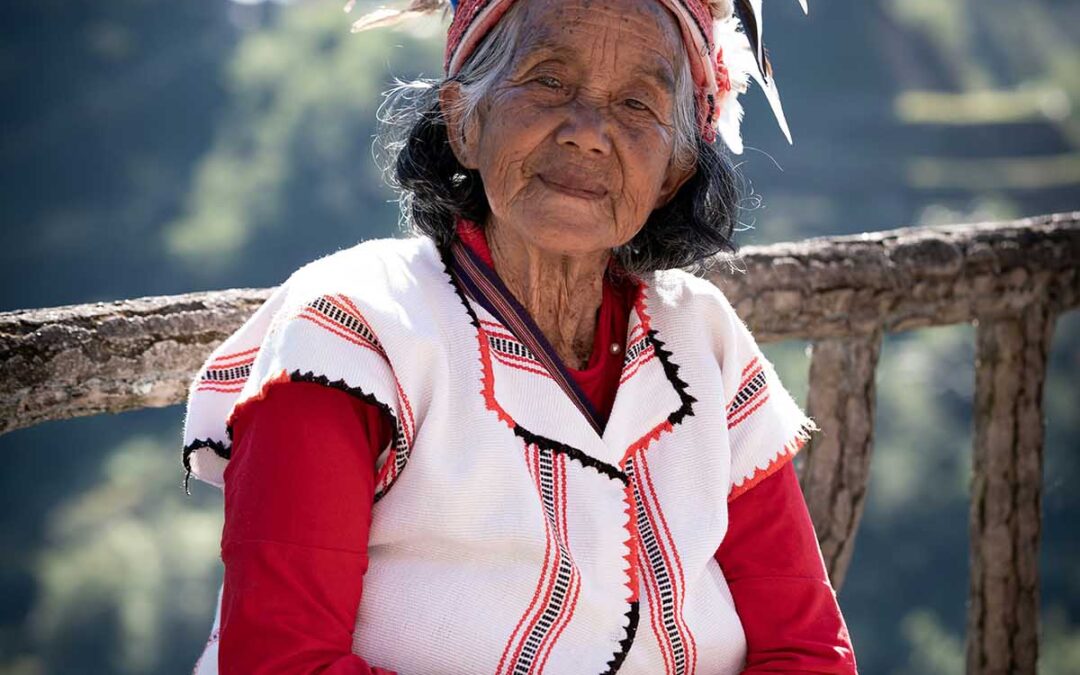
Indigenous Wisdom for a World in Overwhelm
The Reality of Modern Overwhelm
Many people today feel overwhelmed.
Not because they are incapable or unprepared, but because they are being asked to process an extraordinary amount of input, stimulation, and change.
At any given moment, we can access news from around the world, countless opinions on social media, messages from multiple devices, and a never-ending stream of content competing for our attention. We are exposed to events, problems, and perspectives that previous generations would never have encountered in a single day, let alone a single hour.
While technology has created incredible opportunities, it has also introduced a new challenge: information overload.
When many people hear the word overwhelm, they think about busy schedules, social media, or the constant flow of information. While these certainly contribute, overwhelm often runs much deeper.
People are not only processing information.
They are processing life.
They are navigating relationships, family responsibilities, financial pressures, health concerns, grief, uncertainty about the future, and the emotional impact of daily living. Many are carrying fears, disappointments, expectations, unresolved wounds, and questions they do not yet have answers to.
At the same time, they are being asked to function, make decisions, solve problems, care for others, and keep moving forward.
The result is that many people feel overloaded not only by what is happening around them, but also by what is happening within them.
This is not a personal failure. It is part of the reality of being human.
The challenge is that while modern life has created countless tools for gathering information, it has provided far fewer opportunities for reflection, integration, and understanding.
More Than Information
The challenge is not simply the amount of information available to us. It is that we rarely have the time or space to process it.
We consume information continuously, yet often have little opportunity to reflect on what we are taking in, how it is affecting us, or whether it is even relevant to our lives.
This is where Indigenous wisdom offers an important perspective.
Many Indigenous traditions developed within a very different relationship to information, time, and knowledge. Wisdom was not measured by how much a person consumed. It was reflected in their ability to understand, integrate, and apply what they learned.
Knowledge was meant to be lived, not simply accumulated.
While the world has changed dramatically, this distinction may be more important today than ever before.
The Importance of Processing Experience
Many Indigenous traditions understood something that modern society often overlooks: human beings need ways to process what they experience.
Life has always included uncertainty, loss, change, conflict, joy, responsibility, and periods of transition. While the circumstances may differ across cultures and generations, the human experience itself remains remarkably similar.
Rather than moving endlessly from one experience to the next, many Indigenous traditions created space for reflection, connection, storytelling, ceremony, and community. These practices helped people make meaning of their experiences, learn from them, and integrate them into their lives.
Learning became wisdom through reflection, experience, and shared understanding.
What mattered was not simply acquiring knowledge, but allowing it to shape how people understood themselves, their relationships, their responsibilities, and their place within the larger community.
Many traditions also recognized the importance of rhythm and balance.
There were times for action and times for rest.
Times for speaking and times for listening.
Times for gathering and times for solitude.
Times for learning and times for reflection.
These rhythms helped people remain connected to themselves and to the world around them.
Today, many people rarely experience these natural rhythms. The demands of modern life often encourage constant productivity, constant stimulation, and constant engagement. We move quickly from one task, responsibility, or piece of information to the next without giving ourselves time to fully process what we have experienced.
Over time, this can create a sense of exhaustion that goes beyond physical fatigue. We may feel disconnected, emotionally overwhelmed, uncertain, or unable to access our own inner wisdom.
Perhaps part of what Indigenous wisdom offers us today is not a return to the past, but a reminder of something we have forgotten: understanding requires time, reflection, and space.
What Might This Look Like Today?
It may begin by recognizing that not everything requires an immediate response.
Not every question needs to be answered right away.
Not every emotion needs to be acted upon.
Not every piece of information deserves our attention.
In a culture that often rewards speed, productivity, and constant engagement, choosing to pause can feel unfamiliar. Yet it is often within these pauses that understanding begins to emerge.
A walk in nature.
A meaningful conversation.
Time for reflection.
Moments of stillness.
Space to process our experiences rather than immediately moving on to the next task, responsibility, or distraction.
These practices may seem simple, yet they help create the conditions for greater awareness and understanding.
They allow us to notice what we are carrying and distinguish between what truly requires our attention and what does not.
In doing so, they create opportunities to reconnect with ourselves, with others, and with the deeper wisdom that can easily become obscured by the noise of everyday life.
The goal is not to eliminate uncertainty, difficulty, or the challenges of modern life.
Instead, it is to develop a different relationship with them.
One that allows us to respond more thoughtfully rather than react automatically, creates space for understanding rather than constant consumption, and supports greater balance, resilience, and clarity.
A Timeless Reminder
Indigenous wisdom may not ultimately be about looking backward.
Rather, it reminds us of something essential about being human.
Information alone does not create wisdom.
Understanding requires reflection.
Clarity emerges not only from what we know, but from our ability to process, integrate, and make meaning of our experiences.
As we navigate an increasingly complex world, these reminders may be more valuable than ever.
© 2026 • Charmaine Cheryle | The Modern Babaylan
Photo by Helena Pfisterer on Unsplash
The is beautifully written, Charmaine; it really does speak to me. Life of late has become a whirlwind, not just for me, but for everyone around me no matter what their age. We are bombarded constantly. The reminders to follow the practices of Indigenous People through quiet moments, integration and especially filtering out the information we don’t need are practices that really do restore our souls. The problem lies within the ego, which is attracted to and distracted by that buzz. It takes quite a bit of discipline to ignore the call of another social media post, or other interesting distraction. However; I am learning to be more selective in my distractions and more disciplined in sitting in the quiet and communing with nature. These practices allow us to acknowledge the each individual is important, and we need to perform the necessary work that restores us each and every day, particularly when we have a difficult day.
Karen, thank you so much for taking the time to share this. 💚
I was especially touched by your reflection that these practices “restore our souls.” That beautifully captures what I was hoping to explore…that amidst all the noise and constant demands of modern life, there are simple ways of being that help us reconnect with ourselves, one another, and the natural world.
I also appreciate your honesty about learning to be more intentional with your attention. I think that’s something many of us are navigating together.
Thank you, as always, for your thoughtful reflection and for walking alongside this work. 🌿💛